Women's Wellness Series

What Is Your Body Really Telling You About Gelatin?

Before chasing another diet trend, it helps to understand why gelatin has quietly stayed in women’s kitchens for generations — and what that steady habit might mean for how you feel day to day.

Women's Wellness  ·  Natural Habits  ·  Educational Content  ·  Women's Wellness  ·  Natural Habits  ·  Educational Content

Does Any of This Sound Familiar?

Ask yourself these four questions before scrolling further.

That Full Feeling Fades Faster

Ever notice a meal that used to keep you satisfied just doesn't stretch as far anymore? Satiety can shift quietly as the years go by.

Old Diet Rules Don't Always Fit

The advice that worked in your twenties might feel out of step now. Bodies change, and so should the approach.

Collagen Naturally Declines With Age

Collagen production tends to slow over time, and gelatin — a cooked form of collagen — is one reason it keeps coming up in wellness conversations.

Lean Mass Shifts Quietly Over Time

Body composition isn't just about a number on a scale. Lean mass can change gradually, often without much notice.

Myths vs. Facts: Metabolism Edition

Let’s clear up a few things you’ve probably heard before.

MYTH

Myth: Metabolism completely shuts down after 30.

FACT

Fact: Metabolic rate tends to shift gradually over the years — it doesn’t just switch off overnight.

MYTH

Myth: Cutting out entire food groups is the only path to wellness.

FACT

Fact: Consistent, balanced habits generally matter more than eliminating whole categories of food.

MYTH

Myth: Protein habits are only relevant for athletes.

FACT

Fact: Protein sources, including gelatin, are part of everyday routines for many women, not just competitive training.

A Simple Way to Think About It

No extremes here — just three steps worth considering.

01

Notice the Pattern

Start by paying attention to hunger cues, energy dips, and how your body responds throughout the day.

02

Learn the Basics

Understand the role protein and collagen play in the body, and why gelatin keeps showing up in that conversation.

03

Build a Small Habit

Consider small, repeatable additions to your routine rather than a total overhaul all at once.

A Kitchen Tradition Older Than Any Trend

Long before ‘collagen’ became a wellness buzzword, gelatin was a staple of slow-cooked broths, stocks, and family recipes passed down through generations. Grandmothers simmered bones for hours not because of a trend, but because it was simply how food was made.

Insight: Many traditional kitchens relied on gelatin-rich broths decades before modern wellness culture rediscovered the idea.

Six Signs Worth Paying Attention To

⚠️ Energy Feels Less Steady

Afternoon slumps that seem to arrive earlier than they used to.

⚠️ Nails Seem More Brittle

Small changes in nail strength are sometimes worth noticing over time.

⚠️ Hunger Feels Harder to Predict

Meals that once felt satisfying don't always hold you the same way.

⚠️ Joints Feel a Little Stiffer

Mornings that ease into movement more slowly than before.

⚠️ Weight Shifts Without a Clear Reason

Composition can change even when habits feel largely the same.

⚠️ Skin Feels Less Resilient

Elasticity and hydration can shift gradually and go unnoticed for a while.

What Some Women Have Shared

I started paying closer attention to little habits instead of chasing quick fixes. It felt more sustainable for my life.

Marisol T.
Illustrative account
Learning about collagen and gelatin gave me a different way to think about my routine — simpler, honestly.
Denise R.
Illustrative account
I appreciated understanding the 'why' behind the habit instead of just following another rule.
Priya K.
Illustrative account

These are individual experiences shared for illustrative purposes only. Individual results may vary, and testimonials are not a guarantee of any outcome.

Frequently Asked Questions

Hydrolyzed gelatin is gelatin that has been broken down into smaller particles, which some people find easier to incorporate into food or drinks. It is derived from collagen through a cooking process.

They’re closely related. Gelatin is produced when collagen is cooked, which changes its structure while keeping many of its building blocks.

No. This content is educational and is not a substitute for a varied, balanced approach to eating or for professional guidance.

Not at all. The content here is meant for any woman curious about how body composition and habits can shift over time.

No. We don’t make weight-loss claims or predictions. The focus is on general wellness education.

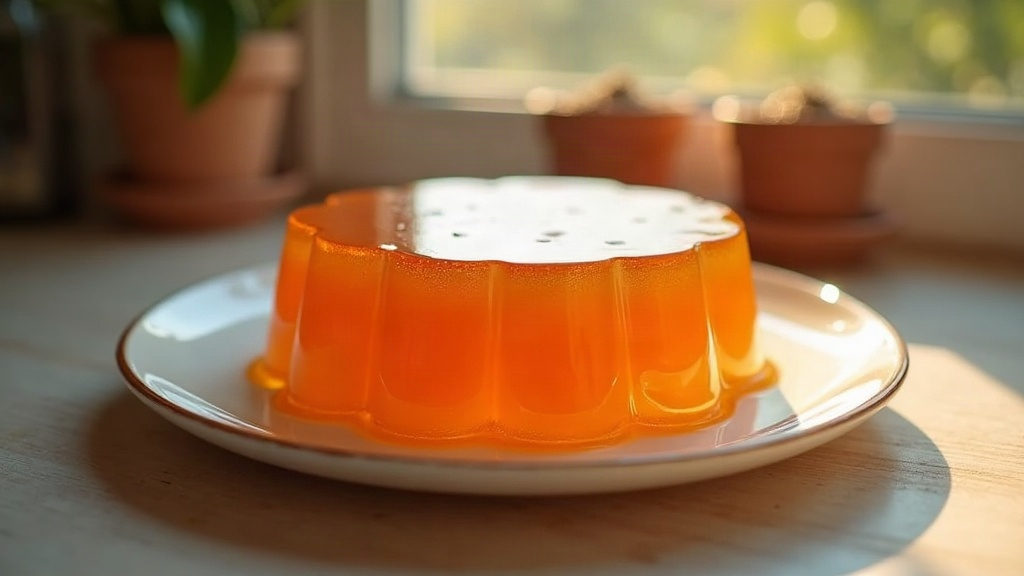
Yes, gelatin has long been used in traditional cooking, from broths to desserts, across many cultures.

Yes. Always consult a qualified healthcare professional before making changes related to your diet or wellness routine.

Curious to Learn More?

Take a few minutes to watch the video and see why so many women are talking about gelatin and everyday wellness habits.

Advertising Disclosure: This page contains sponsored content and affiliate links. We may receive compensation if you click a link or make a purchase through this page, at no additional cost to you.

Content Disclaimer: This content is for educational and informational purposes only. It has not been evaluated by the FDA and is not intended to diagnose, treat, cure, or prevent any disease. Always consult a qualified healthcare professional before making changes to your diet or wellness routine.

Results Disclaimer: Individual results may vary. Testimonials and experiences shared on this page are not a guarantee of any specific outcome.

© 2026 · All Rights Reserved · /contact/